Buy ivaa.eu ?
We are moving the project
ivaa.eu .
Are you interested in purchasing the domain
ivaa.eu ?
domain@kv-gmbh.de · 0541-91531010
Buy ivaa.eu ?
What is the definition of hypothetical-deductive thinking and deductive thinking?
Hypothetical-deductive thinking is a problem-solving approach that involves creating a hypothesis or educated guess about a situation and then testing it through deductive reasoning. Deductive thinking, on the other hand, is a logical process where one starts with a general statement or hypothesis and then examines the possibilities to reach a specific, logical conclusion. In essence, hypothetical-deductive thinking combines the generation of hypotheses with deductive reasoning to arrive at a solution, while deductive thinking focuses solely on drawing specific conclusions from general principles. **
What is the definition of hypothetico-deductive thinking and deductive thinking?
Hypothetico-deductive thinking is a scientific method that involves formulating a hypothesis and then testing it through observation and experimentation to reach a conclusion. It is a process of making educated guesses and then systematically testing them to determine their validity. Deductive thinking, on the other hand, is a logical process where conclusions are drawn based on a set of premises or assumptions. It involves reasoning from general principles to specific instances to reach a logical conclusion. **

Similar search terms for Deductive
Top-Angebote
Products related to Deductive:
-
Microsoft Remote Desktop Services 2025 (RDS)PLEASE NOTE: RDS CAL licences require technical activation in Server Manager. These licences are not the CAL versions required for Microsoft audits – a serial number is provided for activating user or device CALs in Windows Server environments. Microsoft Remote Desktop Services (RDS) licences for the 2025 edition represent a significant step towards innovation and efficiency in IT infrastructure management. Designed to optimise remote access and application virtualisation, these licences offer a range of advanced features and capabilities that can transform the way businesses operate. Innovation and Security Advanced Security: Windows Server 2025 introduces multi-layered security with features such as Credential Guard, which protects user credentials, and Hotpatch, which allows security updates to be applied without the need for a reboot. These innovations are key to preventing cyber-attacks and ensuring the protection of sensitive data13. HybridCloud Integration: The new RDS licences support simplified resource management in hybrid cloud environments, allowing businesses to easily connect local servers to Microsoft Azure. This integration unlocks the full potential of the cloud, improving scalability and flexibility of business operations13. Key Features Optimised Remote Access: RDS allows users to access desktops and applications from anywhere, improving productivity and collaboration across distributed teams. Thanks to application virtualisation, users can use software without having to install it locally46. Consistent User Interface: The user experience has been improved with an interface that reflects the Windows 11 style, making access to remote desktop services more intuitive. Features such as Bluetooth and Wi-Fi are now integrated, further facilitating connections34. Flexible Licensing: Client Access Licences ( CALs ) are available in various models, including per-device and per-user, allowing companies to choose the option that best suits their operational needs. This flexible approach facilitates the management of licences across multiple devices56. Product Capabilities RDS licences for Windows Server 2025 not only improve security and accessibility, but also offer significant opportunities to optimise operational costs. With centralised application management and simplified access to corporate resources, organisations can reduce downtime and improve overall efficiency. In summary, Microsoft Remote Desktop Services 2025 is a state-of-the-art solution for businesses looking to modernise their IT infrastructure while ensuring security, flexibility and high performance. With these licences, organisations can meet the challenges of modern remote working with confidence and preparedness.111,90 £*Shipping: 0,00 £Secure redirect to the provider
-
Uplift Essentials Serene Motion Virtual Aquarium Lamp Serene Motion Virtual Aquarium Lamp"Bring the soothing magic of the underwater world to your tabletop with the Serene Motion Virtual Aquarium Lamp. This highdefinition desktop aquarium decorative light uses advanced ""movingpicture"" technology to create a mesmerizing, continuous swim..."82,97 $*Shipping: 0,00 $Secure redirect to the provider
-
Uplift Essentials Virtual Motion Ocean Aquarium Lamp Virtual Motion Ocean Aquarium Lamp"Experience the tranquil beauty of the deep blue without the maintenance of a real tank with the Virtual Motion Ocean Aquarium Lamp. This creative decorative piece uses highdefinition ""moving picture"" technology to simulate a vibrant tropical reef,..."79,97 $*Shipping: 0,00 $Secure redirect to the provider




-
What is deductive and hypothetical thinking in pedagogy?
Deductive thinking in pedagogy involves starting with a general principle or theory and applying it to a specific situation to draw a conclusion. This approach helps students develop logical reasoning skills and understand the relationships between concepts. Hypothetical thinking, on the other hand, involves exploring different scenarios or possibilities to understand cause-and-effect relationships and make predictions. Both deductive and hypothetical thinking are important in pedagogy as they encourage critical thinking, problem-solving, and creativity in students. **
-
What is the meaning of deductive and inductive approaches?
Deductive reasoning is a logical process in which a conclusion is derived from a set of premises or assumptions. It involves moving from general principles to specific instances. On the other hand, inductive reasoning is a method of reasoning in which the premises are viewed as supplying strong evidence for the truth of the conclusion. It involves moving from specific observations to broader generalizations. Both deductive and inductive approaches are used in research and reasoning to draw conclusions and make predictions. **
-
What is the meaning of the deductive and inductive approach?
Deductive reasoning is a logical process in which a conclusion is derived from a set of premises or assumptions. It involves moving from general principles to specific instances. On the other hand, inductive reasoning is a method of reasoning in which the premises are viewed as supplying strong evidence for the truth of the conclusion, but do not guarantee it. Inductive reasoning involves moving from specific observations to broader generalizations. Both approaches are used in various fields such as science, mathematics, and philosophy to draw conclusions and make predictions based on available information. **
-
Can you give an example of the deductive learning method?
One example of the deductive learning method is a math class where the teacher presents a general rule or formula, such as the Pythagorean theorem, and then provides specific examples and exercises for students to apply the rule. The teacher starts with the general principle and then guides students through specific instances to demonstrate how the rule can be used. This approach allows students to understand the concept and then apply it to different problems. **


How do you solve the following question regarding deductive numerical reasoning?
To solve a question regarding deductive numerical reasoning, you need to carefully analyze the given information and look for patterns or relationships among the numbers. Start by identifying any consistent mathematical operations or sequences that can be applied to the numbers. Then, use these patterns to predict the next number in the sequence or to determine the missing number. It's important to approach the question systematically and consider all possible logical deductions before arriving at a conclusion. **
Could you please explain the difference between deductive and inductive reasoning to me?
Deductive reasoning starts with a general principle or premise and then applies it to a specific case to reach a logical conclusion. In contrast, inductive reasoning involves observing specific instances or examples and then drawing a general conclusion based on those observations. Deductive reasoning moves from the general to the specific, while inductive reasoning moves from the specific to the general. Both types of reasoning are important in critical thinking and problem-solving, and they are used in various fields such as science, mathematics, and philosophy. **
Top-Angebote
Products related to Deductive:
-
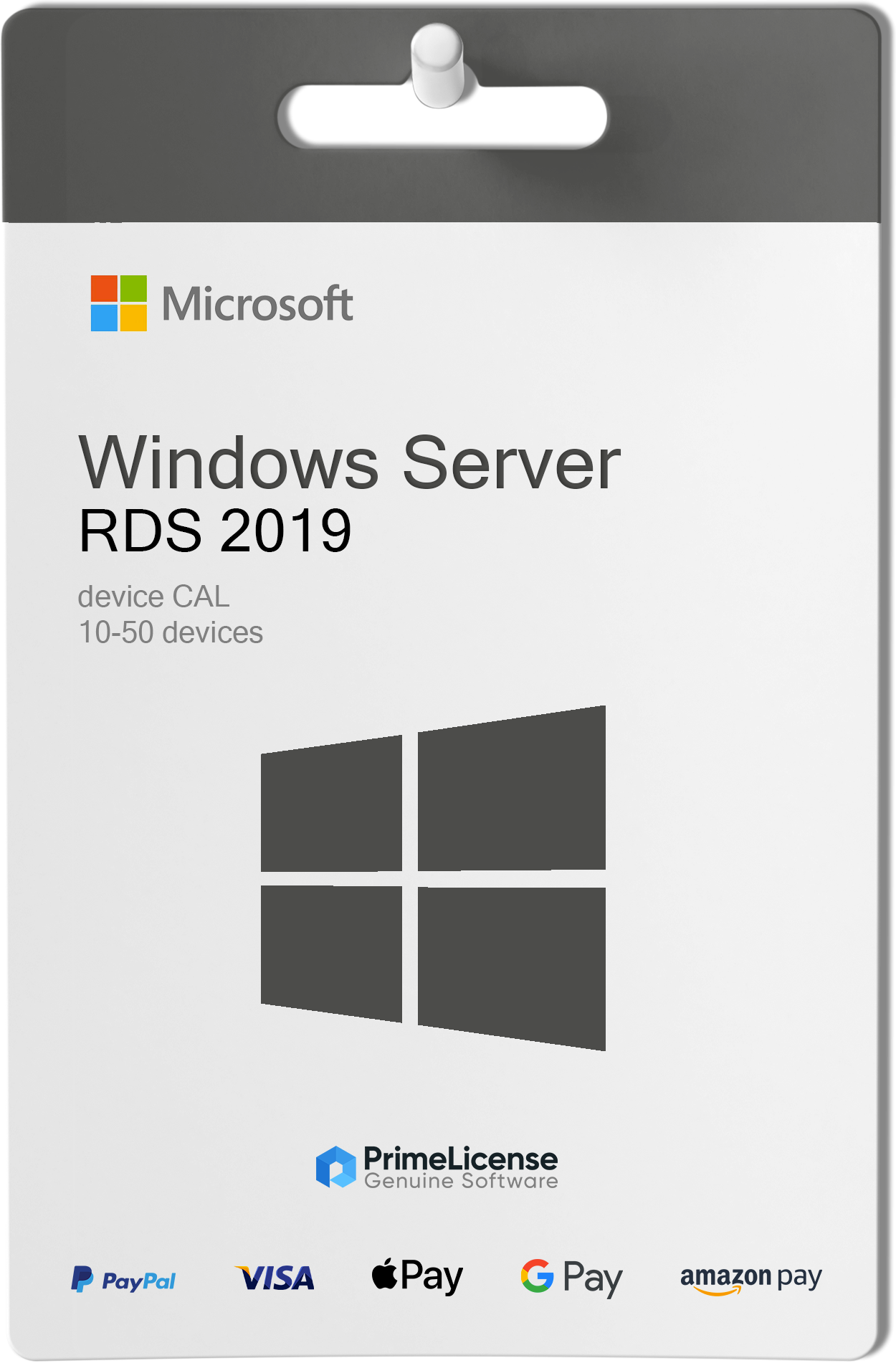
Microsoft Remote Desktop Services (RDS) 2019PLEASE NOTE: RDS CAL licences require technical activation in Server Manager. These licences are not the CAL versions required for Microsoft audits – a serial number is provided for activating user or device CALs in Windows Server environments. Windows Server Remote Desktop Services 2019 is a component of the Windows Server operating system that allows users to access applications and desktops remotely. It provides a secure and scalable solution for delivering virtual desktops, session-based desktops, and remote applications to users across different devices. Here is a detailed description of Windows Server Remote Desktop Services 2019: Remote Desktop Session Host (RDSH): RDSH is a role in Windows Server that enables multiple users to access Windows desktops and applications simultaneously on a Remote Desktop Session Host server. It allows for session-based desktop deployments where users connect to a shared server and run their applications within separate sessions. Remote Desktop Virtualization Host (RDVH): RDVH is a role in Windows Server that allows for the deployment of virtual desktop infrastructure (VDI). It enables users to connect to individual virtual machines running Windows and access a personalized desktop experience. RDVH supports both pooled and personal virtual desktop deployments. Remote Desktop Web Access (RD Web Access): RD Web Access is a web-based portal that provides users with access to RemoteApp programs, virtual desktops, and session-based desktops through a web browser. Users can launch applications and desktops without the need to install any additional software on their local devices. Remote Desktop Gateway (RD Gateway): RD Gateway acts as a secure gateway between remote clients and the internal network, providing a secure connection for remote desktop and application access. It uses the Remote Desktop Protocol (RDP) over HTTPS to establish encrypted connections and authenticate users before granting access to internal resources. Remote Desktop Connection Broker (RD Connection Broker): RD Connection Broker is responsible for load balancing and connection brokering in a Remote Desktop Services deployment. It ensures that users are connected to their existing sessions when reconnecting and distributes new connection requests across multiple session hosts for optimal resource utilization. Licensing: Remote Desktop Services requires appropriate licensing to ensure compliance. In the case of Windows Server 2019, you would need Remote Desktop Services Client Access Licenses (RDS CALs) to allow users or devices to access the server. There are both User CALs and Device CALs available, depending on the licensing model that suits your organization's needs. Overall, Windows Server Remote Desktop Services 2019 provides a comprehensive solution for remote access to applications and desktops, offering flexibility, security, and centralized management capabilities. It enables organizations to deliver a seamless and productive remote...68,90 £*Shipping: 0,00 £Secure redirect to the provider
-
Microsoft Remote Desktop Services (RDS) 2022PLEASE NOTE: RDS CAL licences require technical activation in Server Manager. These licences are not the CAL versions required for Microsoft audits – a serial number is provided for activating user or device CALs in Windows Server environments. Windows Server Remote Desktop Services (RDS) 2022 is a powerful server-based virtualization technology that enables users to access Windows desktops, applications, and data remotely from various devices. It allows organizations to deliver a rich virtual desktop infrastructure (VDI) or session-based desktops to end-users, providing a flexible and secure remote computing solution. Key Features of Windows Server Remote Desktop Services 2022: Virtual Desktop Infrastructure (VDI): Windows Server RDS 2022 allows administrators to create and manage virtual desktops that can be accessed remotely by end-users. VDI enables personalized desktop experiences and allows users to access their virtual desktops from different devices, providing a consistent and productive environment. Session-based Desktops: In addition to VDI, RDS 2022 supports session-based desktops. Session-based desktops enable multiple users to share a single server operating system while maintaining separate user sessions. This allows efficient utilization of server resources and enables cost-effective desktop delivery. RemoteApp: With RemoteApp, administrators can virtualize and deliver individual applications from a server to end-user devices. RemoteApp provides a seamless application experience, allowing users to access specific applications without the need to access an entire desktop. This feature enhances flexibility and simplifies application management. RemoteFX: RemoteFX is a technology included in Windows Server RDS 2022 that enhances the remote desktop experience by providing high-quality multimedia and graphics capabilities. It enables smooth video playback, USB redirection, and multi-monitor support, making the remote desktop experience feel more like a local desktop environment. Remote Desktop Gateway: The Remote Desktop Gateway (RD Gateway) component in RDS 2022 allows secure remote access to internal network resources over the internet. It acts as a gateway server that provides a single point of entry for remote desktop connections, ensuring encrypted and authenticated access to virtual desktops or session-based desktops. Remote Desktop Web Access: RDS 2022 includes a web-based portal called Remote Desktop Web Access (RD Web Access) that allows users to access their virtual desktops, RemoteApp programs, and published resources through a web browser. It provides a convenient and platform-independent way for users to connect to their remote desktops and applications. Scalability and Load Balancing: Windows Server RDS 2022 supports scaling and load balancing to optimize resource utilization and ensure high availability. Administrators can distribute user sessions across multiple servers, ensuring efficient use of hardware resources and...102,90 £*Shipping: 0,00 £Secure redirect to the provider
-
Microsoft Remote Desktop Services 2025 (RDS)PLEASE NOTE: RDS CAL licences require technical activation in Server Manager. These licences are not the CAL versions required for Microsoft audits – a serial number is provided for activating user or device CALs in Windows Server environments. Microsoft Remote Desktop Services (RDS) licences for the 2025 edition represent a significant step towards innovation and efficiency in IT infrastructure management. Designed to optimise remote access and application virtualisation, these licences offer a range of advanced features and capabilities that can transform the way businesses operate. Innovation and Security Advanced Security: Windows Server 2025 introduces multi-layered security with features such as Credential Guard, which protects user credentials, and Hotpatch, which allows security updates to be applied without the need for a reboot. These innovations are key to preventing cyber-attacks and ensuring the protection of sensitive data13. HybridCloud Integration: The new RDS licences support simplified resource management in hybrid cloud environments, allowing businesses to easily connect local servers to Microsoft Azure. This integration unlocks the full potential of the cloud, improving scalability and flexibility of business operations13. Key Features Optimised Remote Access: RDS allows users to access desktops and applications from anywhere, improving productivity and collaboration across distributed teams. Thanks to application virtualisation, users can use software without having to install it locally46. Consistent User Interface: The user experience has been improved with an interface that reflects the Windows 11 style, making access to remote desktop services more intuitive. Features such as Bluetooth and Wi-Fi are now integrated, further facilitating connections34. Flexible Licensing: Client Access Licences ( CALs ) are available in various models, including per-device and per-user, allowing companies to choose the option that best suits their operational needs. This flexible approach facilitates the management of licences across multiple devices56. Product Capabilities RDS licences for Windows Server 2025 not only improve security and accessibility, but also offer significant opportunities to optimise operational costs. With centralised application management and simplified access to corporate resources, organisations can reduce downtime and improve overall efficiency. In summary, Microsoft Remote Desktop Services 2025 is a state-of-the-art solution for businesses looking to modernise their IT infrastructure while ensuring security, flexibility and high performance. With these licences, organisations can meet the challenges of modern remote working with confidence and preparedness.111,90 £*Shipping: 0,00 £Secure redirect to the provider
-
What is the definition of hypothetical-deductive thinking and deductive thinking?
Hypothetical-deductive thinking is a problem-solving approach that involves creating a hypothesis or educated guess about a situation and then testing it through deductive reasoning. Deductive thinking, on the other hand, is a logical process where one starts with a general statement or hypothesis and then examines the possibilities to reach a specific, logical conclusion. In essence, hypothetical-deductive thinking combines the generation of hypotheses with deductive reasoning to arrive at a solution, while deductive thinking focuses solely on drawing specific conclusions from general principles. **
-
What is the definition of hypothetico-deductive thinking and deductive thinking?
Hypothetico-deductive thinking is a scientific method that involves formulating a hypothesis and then testing it through observation and experimentation to reach a conclusion. It is a process of making educated guesses and then systematically testing them to determine their validity. Deductive thinking, on the other hand, is a logical process where conclusions are drawn based on a set of premises or assumptions. It involves reasoning from general principles to specific instances to reach a logical conclusion. **
-
What is deductive and hypothetical thinking in pedagogy?
Deductive thinking in pedagogy involves starting with a general principle or theory and applying it to a specific situation to draw a conclusion. This approach helps students develop logical reasoning skills and understand the relationships between concepts. Hypothetical thinking, on the other hand, involves exploring different scenarios or possibilities to understand cause-and-effect relationships and make predictions. Both deductive and hypothetical thinking are important in pedagogy as they encourage critical thinking, problem-solving, and creativity in students. **
-
What is the meaning of deductive and inductive approaches?
Deductive reasoning is a logical process in which a conclusion is derived from a set of premises or assumptions. It involves moving from general principles to specific instances. On the other hand, inductive reasoning is a method of reasoning in which the premises are viewed as supplying strong evidence for the truth of the conclusion. It involves moving from specific observations to broader generalizations. Both deductive and inductive approaches are used in research and reasoning to draw conclusions and make predictions. **
Similar search terms for Deductive
-
Uplift Essentials Serene Motion Virtual Aquarium Lamp Serene Motion Virtual Aquarium Lamp"Bring the soothing magic of the underwater world to your tabletop with the Serene Motion Virtual Aquarium Lamp. This highdefinition desktop aquarium decorative light uses advanced ""movingpicture"" technology to create a mesmerizing, continuous swim..."82,97 $*Shipping: 0,00 $Secure redirect to the provider
-
Uplift Essentials Virtual Motion Ocean Aquarium Lamp Virtual Motion Ocean Aquarium Lamp"Experience the tranquil beauty of the deep blue without the maintenance of a real tank with the Virtual Motion Ocean Aquarium Lamp. This creative decorative piece uses highdefinition ""moving picture"" technology to simulate a vibrant tropical reef,..."79,97 $*Shipping: 0,00 $Secure redirect to the provider
-
Matrix Virtual Training Cycle CXVTHE MATRIX VIRTUAL TRAINING CYCLE The Matrix Virtual Training Cycle is the purpose built bike for your cardio zone. Whether gym members are challenging themselves with exclusive workouts, enjoying streaming entertainment or taking on an immersive group class, the Virtual Training Cycle will...4794,00 £*Shipping: 0,00 £Secure redirect to the provider
-
Aerosoft Road Maintenance Simulator 2: Winter Services - PlayStation 5 DiscTake charge of a German road maintenance depot in Road Maintenance Simulator 2: Winter Services for PlayStation 5. Complete over 40 varied assignments across motorways, major routes, and country roads while selecting the right vehicles, attachments, and equipment for each job. Realistic road maintenance tasks include carrying out road patrols, applying road markings, trimming trees, and tackling dedicated winter duties. The changing seasons, dynamic weather, and different times of day influence the work available, creating fresh operational challenges throughout each shift. The game features 10 vehicles, including tipper trucks and road-marking machines, as well as eight specialist machines and tools. You can respond to seasonal conditions and winter service tasks, and choose to explore freely or follow structured duty regulations. The game is available for offline single-player simulation gameplay on the PlayStation 5 platform, and is suitable for players aged 3 and above.26,36 £*Shipping: 3,95 £Secure redirect to the provider
-
What is the meaning of the deductive and inductive approach?
Deductive reasoning is a logical process in which a conclusion is derived from a set of premises or assumptions. It involves moving from general principles to specific instances. On the other hand, inductive reasoning is a method of reasoning in which the premises are viewed as supplying strong evidence for the truth of the conclusion, but do not guarantee it. Inductive reasoning involves moving from specific observations to broader generalizations. Both approaches are used in various fields such as science, mathematics, and philosophy to draw conclusions and make predictions based on available information. **
-
Can you give an example of the deductive learning method?
One example of the deductive learning method is a math class where the teacher presents a general rule or formula, such as the Pythagorean theorem, and then provides specific examples and exercises for students to apply the rule. The teacher starts with the general principle and then guides students through specific instances to demonstrate how the rule can be used. This approach allows students to understand the concept and then apply it to different problems. **
-
How do you solve the following question regarding deductive numerical reasoning?
To solve a question regarding deductive numerical reasoning, you need to carefully analyze the given information and look for patterns or relationships among the numbers. Start by identifying any consistent mathematical operations or sequences that can be applied to the numbers. Then, use these patterns to predict the next number in the sequence or to determine the missing number. It's important to approach the question systematically and consider all possible logical deductions before arriving at a conclusion. **
-
Could you please explain the difference between deductive and inductive reasoning to me?
Deductive reasoning starts with a general principle or premise and then applies it to a specific case to reach a logical conclusion. In contrast, inductive reasoning involves observing specific instances or examples and then drawing a general conclusion based on those observations. Deductive reasoning moves from the general to the specific, while inductive reasoning moves from the specific to the general. Both types of reasoning are important in critical thinking and problem-solving, and they are used in various fields such as science, mathematics, and philosophy. **
* All prices are inclusive of VAT and, if applicable, plus shipping costs. The offer information is based on the details provided by the respective shop and is updated through automated processes. Real-time updates do not occur, so deviations can occur in individual cases. ** Note: Parts of this content were created by AI.