Buy ivaa.eu ?
We are moving the project
ivaa.eu .
Are you interested in purchasing the domain
ivaa.eu ?
domain@kv-gmbh.de · 0541-91531010
Buy ivaa.eu ?
What is passive immunization?
Passive immunization is a method of providing temporary immunity to a person by administering pre-formed antibodies rather than stimulating the individual's immune system to produce its own antibodies. This can be done by injecting antibodies obtained from either human or animal sources, or through the use of monoclonal antibodies. Passive immunization is often used for immediate protection against specific pathogens, such as in cases of exposure to a virus or toxin, or for individuals who are unable to mount an immune response on their own. **
What is the basic immunization?
Basic immunization refers to a series of vaccines that are recommended for all individuals to protect them from various infectious diseases. These vaccines are typically given during childhood and provide immunity against diseases such as measles, polio, diphtheria, tetanus, pertussis, and hepatitis B. Basic immunization schedules may vary slightly from country to country, but they generally include a series of doses given at specific ages to ensure optimal protection. It is important to follow the recommended immunization schedule to protect both individuals and communities from preventable diseases. **

Similar search terms for Immunization
Top-Angebote
Products related to Immunization:
-
Microsoft Remote Desktop Services 2025 (RDS)PLEASE NOTE: RDS CAL licences require technical activation in Server Manager. These licences are not the CAL versions required for Microsoft audits – a serial number is provided for activating user or device CALs in Windows Server environments. Microsoft Remote Desktop Services (RDS) licences for the 2025 edition represent a significant step towards innovation and efficiency in IT infrastructure management. Designed to optimise remote access and application virtualisation, these licences offer a range of advanced features and capabilities that can transform the way businesses operate. Innovation and Security Advanced Security: Windows Server 2025 introduces multi-layered security with features such as Credential Guard, which protects user credentials, and Hotpatch, which allows security updates to be applied without the need for a reboot. These innovations are key to preventing cyber-attacks and ensuring the protection of sensitive data13. HybridCloud Integration: The new RDS licences support simplified resource management in hybrid cloud environments, allowing businesses to easily connect local servers to Microsoft Azure. This integration unlocks the full potential of the cloud, improving scalability and flexibility of business operations13. Key Features Optimised Remote Access: RDS allows users to access desktops and applications from anywhere, improving productivity and collaboration across distributed teams. Thanks to application virtualisation, users can use software without having to install it locally46. Consistent User Interface: The user experience has been improved with an interface that reflects the Windows 11 style, making access to remote desktop services more intuitive. Features such as Bluetooth and Wi-Fi are now integrated, further facilitating connections34. Flexible Licensing: Client Access Licences ( CALs ) are available in various models, including per-device and per-user, allowing companies to choose the option that best suits their operational needs. This flexible approach facilitates the management of licences across multiple devices56. Product Capabilities RDS licences for Windows Server 2025 not only improve security and accessibility, but also offer significant opportunities to optimise operational costs. With centralised application management and simplified access to corporate resources, organisations can reduce downtime and improve overall efficiency. In summary, Microsoft Remote Desktop Services 2025 is a state-of-the-art solution for businesses looking to modernise their IT infrastructure while ensuring security, flexibility and high performance. With these licences, organisations can meet the challenges of modern remote working with confidence and preparedness.111,90 £*Shipping: 0,00 £Secure redirect to the provider
-
Microsoft Remote Desktop Services (RDS) 2022PLEASE NOTE: RDS CAL licences require technical activation in Server Manager. These licences are not the CAL versions required for Microsoft audits – a serial number is provided for activating user or device CALs in Windows Server environments. Windows Server Remote Desktop Services (RDS) 2022 is a powerful server-based virtualization technology that enables users to access Windows desktops, applications, and data remotely from various devices. It allows organizations to deliver a rich virtual desktop infrastructure (VDI) or session-based desktops to end-users, providing a flexible and secure remote computing solution. Key Features of Windows Server Remote Desktop Services 2022: Virtual Desktop Infrastructure (VDI): Windows Server RDS 2022 allows administrators to create and manage virtual desktops that can be accessed remotely by end-users. VDI enables personalized desktop experiences and allows users to access their virtual desktops from different devices, providing a consistent and productive environment. Session-based Desktops: In addition to VDI, RDS 2022 supports session-based desktops. Session-based desktops enable multiple users to share a single server operating system while maintaining separate user sessions. This allows efficient utilization of server resources and enables cost-effective desktop delivery. RemoteApp: With RemoteApp, administrators can virtualize and deliver individual applications from a server to end-user devices. RemoteApp provides a seamless application experience, allowing users to access specific applications without the need to access an entire desktop. This feature enhances flexibility and simplifies application management. RemoteFX: RemoteFX is a technology included in Windows Server RDS 2022 that enhances the remote desktop experience by providing high-quality multimedia and graphics capabilities. It enables smooth video playback, USB redirection, and multi-monitor support, making the remote desktop experience feel more like a local desktop environment. Remote Desktop Gateway: The Remote Desktop Gateway (RD Gateway) component in RDS 2022 allows secure remote access to internal network resources over the internet. It acts as a gateway server that provides a single point of entry for remote desktop connections, ensuring encrypted and authenticated access to virtual desktops or session-based desktops. Remote Desktop Web Access: RDS 2022 includes a web-based portal called Remote Desktop Web Access (RD Web Access) that allows users to access their virtual desktops, RemoteApp programs, and published resources through a web browser. It provides a convenient and platform-independent way for users to connect to their remote desktops and applications. Scalability and Load Balancing: Windows Server RDS 2022 supports scaling and load balancing to optimize resource utilization and ensure high availability. Administrators can distribute user sessions across multiple servers, ensuring efficient use of hardware resources and...102,90 £*Shipping: 0,00 £Secure redirect to the provider
-
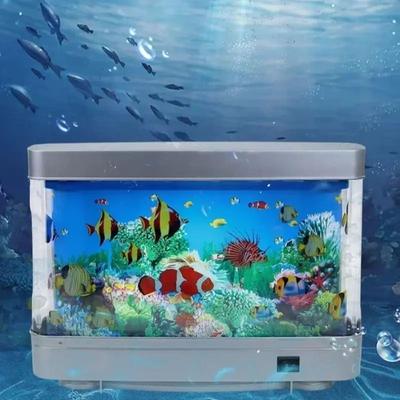
Uplift Essentials Serene Motion Virtual Aquarium Lamp Serene Motion Virtual Aquarium Lamp"Bring the soothing magic of the underwater world to your tabletop with the Serene Motion Virtual Aquarium Lamp. This highdefinition desktop aquarium decorative light uses advanced ""movingpicture"" technology to create a mesmerizing, continuous swim..."82,97 $*Shipping: 0,00 $Secure redirect to the provider


-
What is passive immunization through vaccinations?
Passive immunization through vaccinations involves the administration of pre-formed antibodies to provide immediate protection against a specific pathogen. This differs from active immunization, where the body produces its own antibodies in response to a vaccine. Passive immunization is typically used in situations where immediate protection is needed, such as in the case of exposure to a deadly virus or for individuals with compromised immune systems. While passive immunization provides immediate protection, it is temporary and does not confer long-lasting immunity like active immunization. **
-
Can you briefly explain active immunization?
Active immunization is a process by which a person's immune system is stimulated to produce an immune response against a specific pathogen. This is typically achieved through the administration of a vaccine containing either weakened or inactivated forms of the pathogen or its antigens. The immune system then recognizes these antigens as foreign and produces antibodies to target and eliminate the pathogen if the person is exposed to it in the future. Active immunization results in the development of immunological memory, providing long-lasting protection against the targeted pathogen. **
-
What is active and passive immunization?
Active immunization involves introducing a weakened or inactive form of a pathogen into the body to stimulate the immune system to produce antibodies and create immunity against the pathogen. This can be achieved through vaccines. Passive immunization, on the other hand, involves the direct transfer of pre-formed antibodies to an individual, providing immediate protection against a specific pathogen. This can be done through the administration of antibodies obtained from either human or animal sources. Both active and passive immunization are important strategies in preventing and treating infectious diseases. **
-
At what point is passive immunization useful?
Passive immunization is useful when an individual is at high risk of developing a particular infection or disease, such as after exposure to a pathogen or in cases where active immunization is not possible. It provides immediate protection by introducing pre-formed antibodies into the body, offering temporary immunity. Passive immunization is also beneficial for individuals with weakened immune systems who may not respond well to vaccines. Overall, passive immunization is a valuable tool in preventing and treating certain infectious diseases. **
What is the basic immunization for tetanus?
The basic immunization for tetanus consists of a series of five doses of the tetanus vaccine. The first three doses are usually given in infancy, at 2, 4, and 6 months of age, followed by a booster at 15-18 months and another at 4-6 years of age. After completing the primary series, a booster dose is recommended every 10 years to maintain immunity. This vaccination schedule helps to ensure long-term protection against tetanus, a potentially serious bacterial infection. **
What is the basic immunization for horses?
The basic immunization for horses includes vaccinations for diseases such as tetanus, Eastern and Western equine encephalomyelitis, West Nile virus, and rabies. These vaccinations help protect horses from potentially deadly diseases and are an important part of their overall health care. It is important to work with a veterinarian to develop a vaccination schedule that is appropriate for the individual horse based on its age, health status, and risk of exposure to specific diseases. **
Top-Angebote
Products related to Immunization:
-
Lanier Infant Immunization 150 mlNutrition and Supplements Special supplements Lanier Infant Immunization 150 ml What is Lanier Immunizat Infantil 150 ml? Lanier Infant Immunization 150 ml is a solution specially designed to strengthen the immune system of young children. Formulated with safe, natural ingredients, this product helps protect children against various diseases and promotes their overall health. Benefits - Increases the natural defenses of the child's body. - Helps prevent colds, flu and other common illnesses. - Contributes to the healthy development of children. - Formulated with safe, high-quality ingredients. - Easy to administer and pleasant to children. Who is it for? Lanier Infant Immunization 150 ml is specially formulated for preschool and school-aged children, as well as for those exposed to environments with a higher risk of disease transmission. It is ideal for parents concerned about strengthening their children's health naturally and effectively. How do I apply it? It is recommended to administer Lanier Infant Immunization 150 ml following the instructions of your pediatrician or healthcare professional. Generally, one dose can be taken daily, preferably with meals, for best results. Shake well before use and use the included measuring cup for easy administration. Product use Lanier Infant Immunization 150 ml is a dietary supplement that can be part of a child's daily healthcare routine. For optimal effectiveness, it is recommended to use regularly as part of a healthy lifestyle that includes a balanced diet, regular exercise, and good hygiene habits.22,58 £*Shipping: 3,99 £Secure redirect to the provider
-
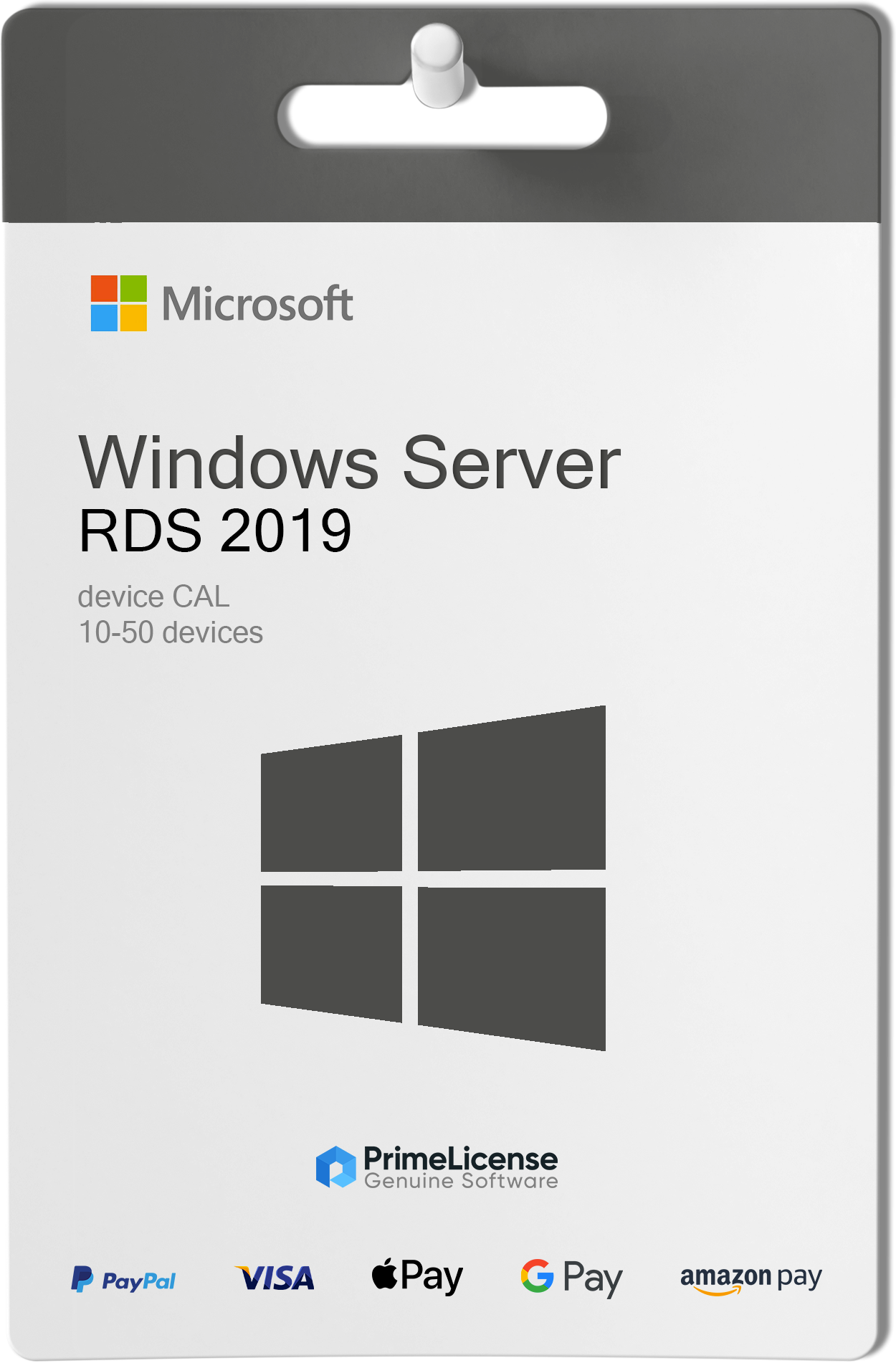
Microsoft Remote Desktop Services (RDS) 2019PLEASE NOTE: RDS CAL licences require technical activation in Server Manager. These licences are not the CAL versions required for Microsoft audits – a serial number is provided for activating user or device CALs in Windows Server environments. Windows Server Remote Desktop Services 2019 is a component of the Windows Server operating system that allows users to access applications and desktops remotely. It provides a secure and scalable solution for delivering virtual desktops, session-based desktops, and remote applications to users across different devices. Here is a detailed description of Windows Server Remote Desktop Services 2019: Remote Desktop Session Host (RDSH): RDSH is a role in Windows Server that enables multiple users to access Windows desktops and applications simultaneously on a Remote Desktop Session Host server. It allows for session-based desktop deployments where users connect to a shared server and run their applications within separate sessions. Remote Desktop Virtualization Host (RDVH): RDVH is a role in Windows Server that allows for the deployment of virtual desktop infrastructure (VDI). It enables users to connect to individual virtual machines running Windows and access a personalized desktop experience. RDVH supports both pooled and personal virtual desktop deployments. Remote Desktop Web Access (RD Web Access): RD Web Access is a web-based portal that provides users with access to RemoteApp programs, virtual desktops, and session-based desktops through a web browser. Users can launch applications and desktops without the need to install any additional software on their local devices. Remote Desktop Gateway (RD Gateway): RD Gateway acts as a secure gateway between remote clients and the internal network, providing a secure connection for remote desktop and application access. It uses the Remote Desktop Protocol (RDP) over HTTPS to establish encrypted connections and authenticate users before granting access to internal resources. Remote Desktop Connection Broker (RD Connection Broker): RD Connection Broker is responsible for load balancing and connection brokering in a Remote Desktop Services deployment. It ensures that users are connected to their existing sessions when reconnecting and distributes new connection requests across multiple session hosts for optimal resource utilization. Licensing: Remote Desktop Services requires appropriate licensing to ensure compliance. In the case of Windows Server 2019, you would need Remote Desktop Services Client Access Licenses (RDS CALs) to allow users or devices to access the server. There are both User CALs and Device CALs available, depending on the licensing model that suits your organization's needs. Overall, Windows Server Remote Desktop Services 2019 provides a comprehensive solution for remote access to applications and desktops, offering flexibility, security, and centralized management capabilities. It enables organizations to deliver a seamless and productive remote...68,90 £*Shipping: 0,00 £Secure redirect to the provider
-
Microsoft Remote Desktop Services 2025 (RDS)PLEASE NOTE: RDS CAL licences require technical activation in Server Manager. These licences are not the CAL versions required for Microsoft audits – a serial number is provided for activating user or device CALs in Windows Server environments. Microsoft Remote Desktop Services (RDS) licences for the 2025 edition represent a significant step towards innovation and efficiency in IT infrastructure management. Designed to optimise remote access and application virtualisation, these licences offer a range of advanced features and capabilities that can transform the way businesses operate. Innovation and Security Advanced Security: Windows Server 2025 introduces multi-layered security with features such as Credential Guard, which protects user credentials, and Hotpatch, which allows security updates to be applied without the need for a reboot. These innovations are key to preventing cyber-attacks and ensuring the protection of sensitive data13. HybridCloud Integration: The new RDS licences support simplified resource management in hybrid cloud environments, allowing businesses to easily connect local servers to Microsoft Azure. This integration unlocks the full potential of the cloud, improving scalability and flexibility of business operations13. Key Features Optimised Remote Access: RDS allows users to access desktops and applications from anywhere, improving productivity and collaboration across distributed teams. Thanks to application virtualisation, users can use software without having to install it locally46. Consistent User Interface: The user experience has been improved with an interface that reflects the Windows 11 style, making access to remote desktop services more intuitive. Features such as Bluetooth and Wi-Fi are now integrated, further facilitating connections34. Flexible Licensing: Client Access Licences ( CALs ) are available in various models, including per-device and per-user, allowing companies to choose the option that best suits their operational needs. This flexible approach facilitates the management of licences across multiple devices56. Product Capabilities RDS licences for Windows Server 2025 not only improve security and accessibility, but also offer significant opportunities to optimise operational costs. With centralised application management and simplified access to corporate resources, organisations can reduce downtime and improve overall efficiency. In summary, Microsoft Remote Desktop Services 2025 is a state-of-the-art solution for businesses looking to modernise their IT infrastructure while ensuring security, flexibility and high performance. With these licences, organisations can meet the challenges of modern remote working with confidence and preparedness.111,90 £*Shipping: 0,00 £Secure redirect to the provider
-
Microsoft Remote Desktop Services (RDS) 2022PLEASE NOTE: RDS CAL licences require technical activation in Server Manager. These licences are not the CAL versions required for Microsoft audits – a serial number is provided for activating user or device CALs in Windows Server environments. Windows Server Remote Desktop Services (RDS) 2022 is a powerful server-based virtualization technology that enables users to access Windows desktops, applications, and data remotely from various devices. It allows organizations to deliver a rich virtual desktop infrastructure (VDI) or session-based desktops to end-users, providing a flexible and secure remote computing solution. Key Features of Windows Server Remote Desktop Services 2022: Virtual Desktop Infrastructure (VDI): Windows Server RDS 2022 allows administrators to create and manage virtual desktops that can be accessed remotely by end-users. VDI enables personalized desktop experiences and allows users to access their virtual desktops from different devices, providing a consistent and productive environment. Session-based Desktops: In addition to VDI, RDS 2022 supports session-based desktops. Session-based desktops enable multiple users to share a single server operating system while maintaining separate user sessions. This allows efficient utilization of server resources and enables cost-effective desktop delivery. RemoteApp: With RemoteApp, administrators can virtualize and deliver individual applications from a server to end-user devices. RemoteApp provides a seamless application experience, allowing users to access specific applications without the need to access an entire desktop. This feature enhances flexibility and simplifies application management. RemoteFX: RemoteFX is a technology included in Windows Server RDS 2022 that enhances the remote desktop experience by providing high-quality multimedia and graphics capabilities. It enables smooth video playback, USB redirection, and multi-monitor support, making the remote desktop experience feel more like a local desktop environment. Remote Desktop Gateway: The Remote Desktop Gateway (RD Gateway) component in RDS 2022 allows secure remote access to internal network resources over the internet. It acts as a gateway server that provides a single point of entry for remote desktop connections, ensuring encrypted and authenticated access to virtual desktops or session-based desktops. Remote Desktop Web Access: RDS 2022 includes a web-based portal called Remote Desktop Web Access (RD Web Access) that allows users to access their virtual desktops, RemoteApp programs, and published resources through a web browser. It provides a convenient and platform-independent way for users to connect to their remote desktops and applications. Scalability and Load Balancing: Windows Server RDS 2022 supports scaling and load balancing to optimize resource utilization and ensure high availability. Administrators can distribute user sessions across multiple servers, ensuring efficient use of hardware resources and...102,90 £*Shipping: 0,00 £Secure redirect to the provider
-
What is passive immunization?
Passive immunization is a method of providing temporary immunity to a person by administering pre-formed antibodies rather than stimulating the individual's immune system to produce its own antibodies. This can be done by injecting antibodies obtained from either human or animal sources, or through the use of monoclonal antibodies. Passive immunization is often used for immediate protection against specific pathogens, such as in cases of exposure to a virus or toxin, or for individuals who are unable to mount an immune response on their own. **
-
What is the basic immunization?
Basic immunization refers to a series of vaccines that are recommended for all individuals to protect them from various infectious diseases. These vaccines are typically given during childhood and provide immunity against diseases such as measles, polio, diphtheria, tetanus, pertussis, and hepatitis B. Basic immunization schedules may vary slightly from country to country, but they generally include a series of doses given at specific ages to ensure optimal protection. It is important to follow the recommended immunization schedule to protect both individuals and communities from preventable diseases. **
-
What is passive immunization through vaccinations?
Passive immunization through vaccinations involves the administration of pre-formed antibodies to provide immediate protection against a specific pathogen. This differs from active immunization, where the body produces its own antibodies in response to a vaccine. Passive immunization is typically used in situations where immediate protection is needed, such as in the case of exposure to a deadly virus or for individuals with compromised immune systems. While passive immunization provides immediate protection, it is temporary and does not confer long-lasting immunity like active immunization. **
-
Can you briefly explain active immunization?
Active immunization is a process by which a person's immune system is stimulated to produce an immune response against a specific pathogen. This is typically achieved through the administration of a vaccine containing either weakened or inactivated forms of the pathogen or its antigens. The immune system then recognizes these antigens as foreign and produces antibodies to target and eliminate the pathogen if the person is exposed to it in the future. Active immunization results in the development of immunological memory, providing long-lasting protection against the targeted pathogen. **
Similar search terms for Immunization
-
Uplift Essentials Serene Motion Virtual Aquarium Lamp Serene Motion Virtual Aquarium Lamp"Bring the soothing magic of the underwater world to your tabletop with the Serene Motion Virtual Aquarium Lamp. This highdefinition desktop aquarium decorative light uses advanced ""movingpicture"" technology to create a mesmerizing, continuous swim..."82,97 $*Shipping: 0,00 $Secure redirect to the provider
-
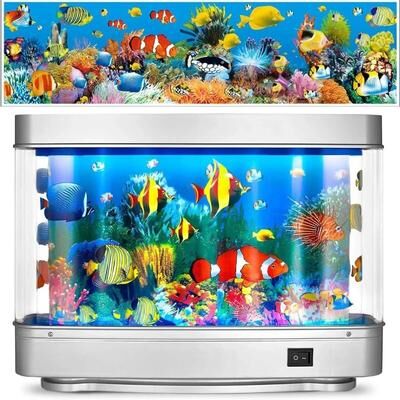
Uplift Essentials Virtual Motion Ocean Aquarium Lamp Virtual Motion Ocean Aquarium Lamp"Experience the tranquil beauty of the deep blue without the maintenance of a real tank with the Virtual Motion Ocean Aquarium Lamp. This creative decorative piece uses highdefinition ""moving picture"" technology to simulate a vibrant tropical reef,..."79,97 $*Shipping: 0,00 $Secure redirect to the provider
-
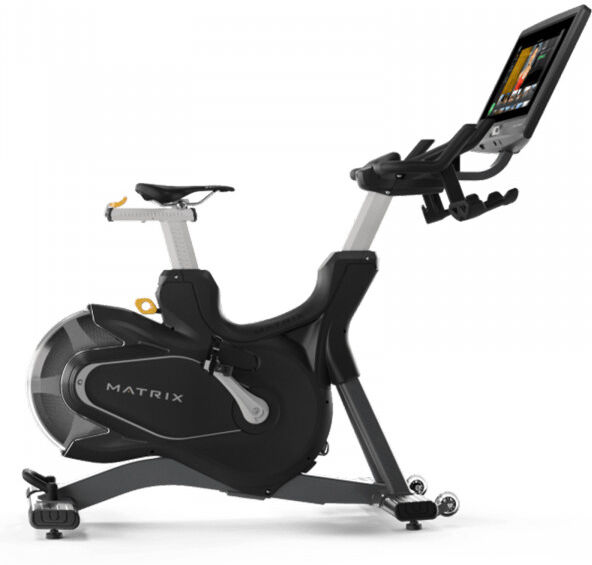
Matrix Virtual Training Cycle CXVTHE MATRIX VIRTUAL TRAINING CYCLE The Matrix Virtual Training Cycle is the purpose built bike for your cardio zone. Whether gym members are challenging themselves with exclusive workouts, enjoying streaming entertainment or taking on an immersive group class, the Virtual Training Cycle will...4794,00 £*Shipping: 0,00 £Secure redirect to the provider
-
What is active and passive immunization?
Active immunization involves introducing a weakened or inactive form of a pathogen into the body to stimulate the immune system to produce antibodies and create immunity against the pathogen. This can be achieved through vaccines. Passive immunization, on the other hand, involves the direct transfer of pre-formed antibodies to an individual, providing immediate protection against a specific pathogen. This can be done through the administration of antibodies obtained from either human or animal sources. Both active and passive immunization are important strategies in preventing and treating infectious diseases. **
-
At what point is passive immunization useful?
Passive immunization is useful when an individual is at high risk of developing a particular infection or disease, such as after exposure to a pathogen or in cases where active immunization is not possible. It provides immediate protection by introducing pre-formed antibodies into the body, offering temporary immunity. Passive immunization is also beneficial for individuals with weakened immune systems who may not respond well to vaccines. Overall, passive immunization is a valuable tool in preventing and treating certain infectious diseases. **
-
What is the basic immunization for tetanus?
The basic immunization for tetanus consists of a series of five doses of the tetanus vaccine. The first three doses are usually given in infancy, at 2, 4, and 6 months of age, followed by a booster at 15-18 months and another at 4-6 years of age. After completing the primary series, a booster dose is recommended every 10 years to maintain immunity. This vaccination schedule helps to ensure long-term protection against tetanus, a potentially serious bacterial infection. **
-
What is the basic immunization for horses?
The basic immunization for horses includes vaccinations for diseases such as tetanus, Eastern and Western equine encephalomyelitis, West Nile virus, and rabies. These vaccinations help protect horses from potentially deadly diseases and are an important part of their overall health care. It is important to work with a veterinarian to develop a vaccination schedule that is appropriate for the individual horse based on its age, health status, and risk of exposure to specific diseases. **
* All prices are inclusive of VAT and, if applicable, plus shipping costs. The offer information is based on the details provided by the respective shop and is updated through automated processes. Real-time updates do not occur, so deviations can occur in individual cases. ** Note: Parts of this content were created by AI.